
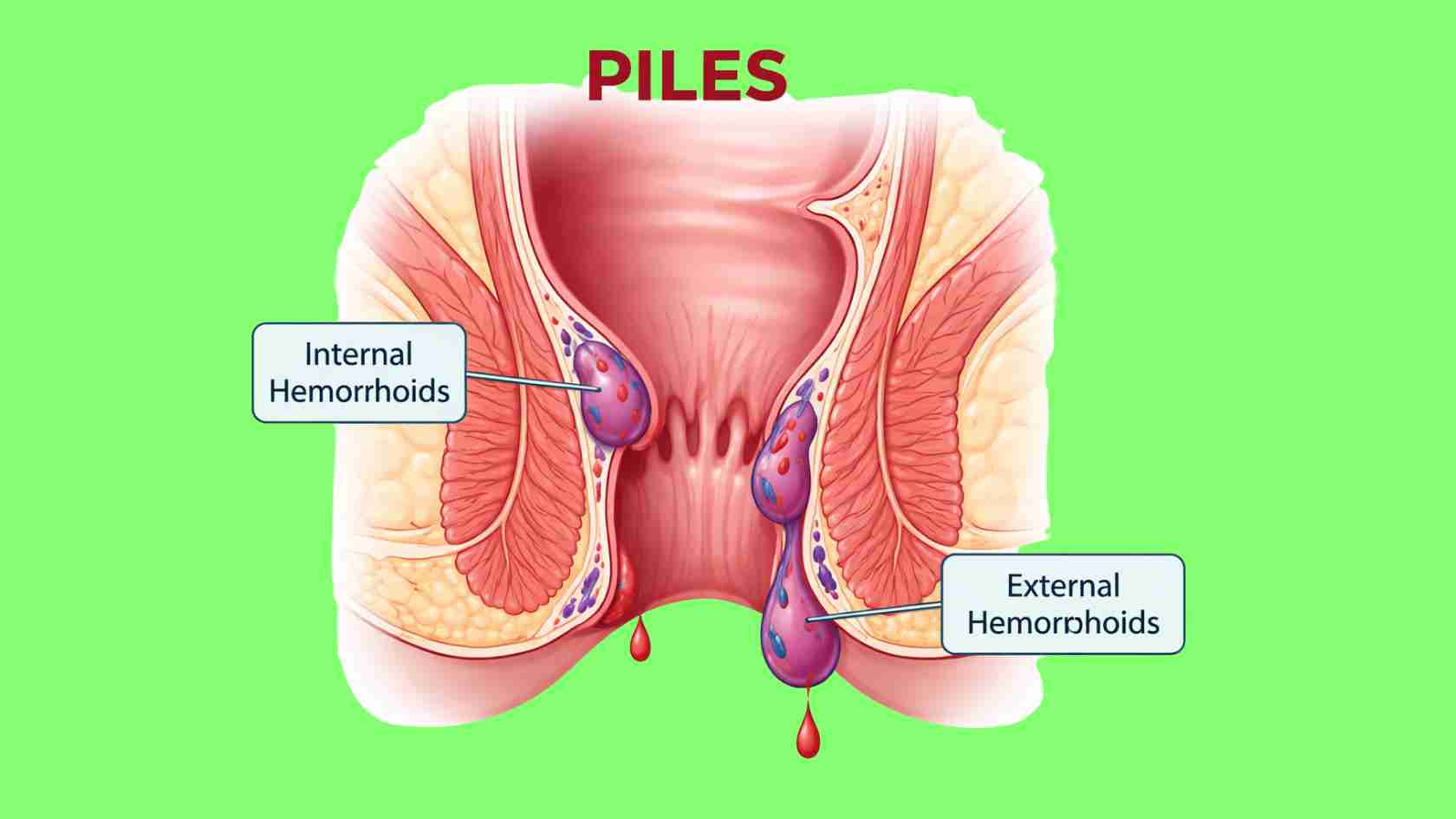
In this article, we are to see the best herbals for piles, widely trusted for their effectiveness and safety when used correctly.
Piles, medically known as haemorrhoids, are a common yet uncomfortable condition affecting people of all ages. They usually develop due to chronic constipation, poor digestion, prolonged sitting, straining during bowel movements, pregnancy, or lack of dietary fibre. Symptoms often include pain, itching, swelling, bleeding, and a constant feeling of discomfort.
Traditional herbal systems, especially Ayurveda and Siddha, have long addressed piles by focusing on the root causes—poor digestion, inflammation, weak blood vessels, and sluggish bowel movement—rather than offering temporary relief. Herbal remedies work gently to soften stools, reduce swelling, heal tissues, and strengthen veins, making them suitable for long-term management.
Top 10 Best Herbals for Piles (Haemorrhoids)
- Haritaki
- Triphala
- Isabgol (Psyllium Husk)
- Neem
- Aloe Vera
- Turmeric
- Arshoghni Herbs (Ayurvedic Blend)
- Bael
- Horse Chestnut
- Witch Hazel
1. Haritaki
Haritaki is often referred to as “The King of Medicines” in Ayurveda. Its scientific name is Terminalia chebula, and it plays a crucial role in digestive health, which is central to piles management.
Haritaki acts as a mild natural laxative, helping regulate bowel movements without irritation. By preventing constipation, it reduces strain during defecation, which is one of the main causes of piles. It also supports healing of inflamed tissues in the anal region.
Regular use of Haritaki helps:
- Improve digestion
- Reduce chronic constipation
- Prevent recurrence of piles
- Support tissue repair
2. Triphala
Triphala is a classical Ayurvedic formulation made from Haritaki, Bibhitaki, and Amla. It is often called a “complete digestive cleanser” rather than a single herb.
Triphala works gently on the intestines, improves gut movement, and detoxifies the digestive tract. Unlike harsh laxatives, it strengthens intestinal muscles over time, making bowel movements smoother and more regular.
Its benefits for piles include:
- Reduced straining
- Softer stools
- Reduced inflammation
- Improved gut health
3. Isabgol
Isabgol, commonly known as “Psyllium Husk”, has the scientific name Plantago ovata. It is one of the most effective natural fibre supplements for piles.
Isabgol absorbs water in the intestines, increasing stool bulk and softness. This allows stools to pass easily without causing pressure on swollen veins.
It is particularly useful for:
- Bleeding piles
- Dry, hard stools
- Post-surgery recovery
- Elderly patients
Its gentle action makes it suitable for daily use.
4. Neem
Neem, scientifically known as Azadirachta indica, is often called “Nature’s Blood Purifier”. It plays a significant role in reducing infection and inflammation associated with piles.
Neem helps keep the anal area clean internally by controlling bacterial growth. It also reduces itching, swelling, and discomfort, especially in inflamed or infected piles.
Neem supports:
- Reduction of inflammation
- Prevention of infection
- Healing of damaged tissues
- Improved blood purification
5. Aloe Vera
Aloe Vera, also known as “The Plant of Immortality”, has the scientific name Aloe barbadensis miller. It is widely used both internally and externally for piles relief.
Aloe Vera has strong anti-inflammatory and soothing properties. When taken internally in small amounts, it improves digestion and eases bowel movement. When applied externally, it cools the affected area and reduces burning and itching.
Its benefits include:
- Reduced pain and irritation
- Improved bowel regularity
- Faster healing of piles tissue
- Cooling relief
Read More > Best Herbs for Constipation
6. Turmeric
Turmeric, scientifically called Curcuma longa, is known as “The Golden Healer”. Its active compound, curcumin, is a powerful anti-inflammatory agent.
In piles, turmeric helps reduce swelling and promotes healing of internal and external haemorrhoids. It also improves blood circulation, which supports vein health.
Turmeric helps with:
- Pain reduction
- Swelling control
- Tissue healing
- Prevention of infection
7. Arshoghni Vati Herbs
Many traditional piles formulations contain a blend of herbs commonly referred to as “Arshoghni” herbs, meaning “destroyers of piles”. These blends often include Daruharidra, Nagakesar, and Haritaki.
These herbs work together to:
- Shrink piles mass
- Reduce bleeding
- Strengthen veins
- Improve digestion
They are especially useful for chronic piles when taken under guidance.
8. Bael
Bael, scientifically known as Aegle marmelos, is traditionally used to balance digestion. It is particularly helpful when piles are associated with irregular bowel habits.
Bael strengthens intestinal muscles and improves stool consistency. It helps both constipation and loose motions, making it useful for mixed digestive disorders.
Its benefits include:
- Improved digestion
- Reduced strain during bowel movement
- Reduced irritation in the rectal area
9. Horse Chestnut
Horse Chestnut, with the scientific name Aesculus hippocastanum, is often called “Vein Strengthener” in herbal medicine.
It improves vein tone and reduces swelling of blood vessels, making it particularly useful for bleeding and painful piles.
Horse Chestnut supports:
- Strengthening of veins
- Reduced bleeding
- Reduced pain and heaviness
- Improved circulation
10. Witch Hazel
Witch Hazel, scientifically known as Hamamelis virginiana, is widely used in natural piles treatments, especially for external application.
It acts as a natural astringent, tightening tissues and reducing swelling. Witch Hazel is especially effective for itching, burning, and bleeding piles.
Its benefits include:
- Immediate soothing relief
- Reduced inflammation
- Reduced bleeding
- Improved comfort
Herbal remedies for piles focus on long-term relief rather than temporary suppression of symptoms. By improving digestion, softening stools, reducing inflammation, and strengthening blood vessels, these herbs address both the cause and discomfort of haemorrhoids.
For best results, herbal treatment should be combined with:
- A fibre-rich diet
- Adequate water intake
- Regular physical movement
- Avoiding prolonged sitting
Used consistently and correctly, these herbal remedies can significantly improve quality of life and prevent recurrence.