
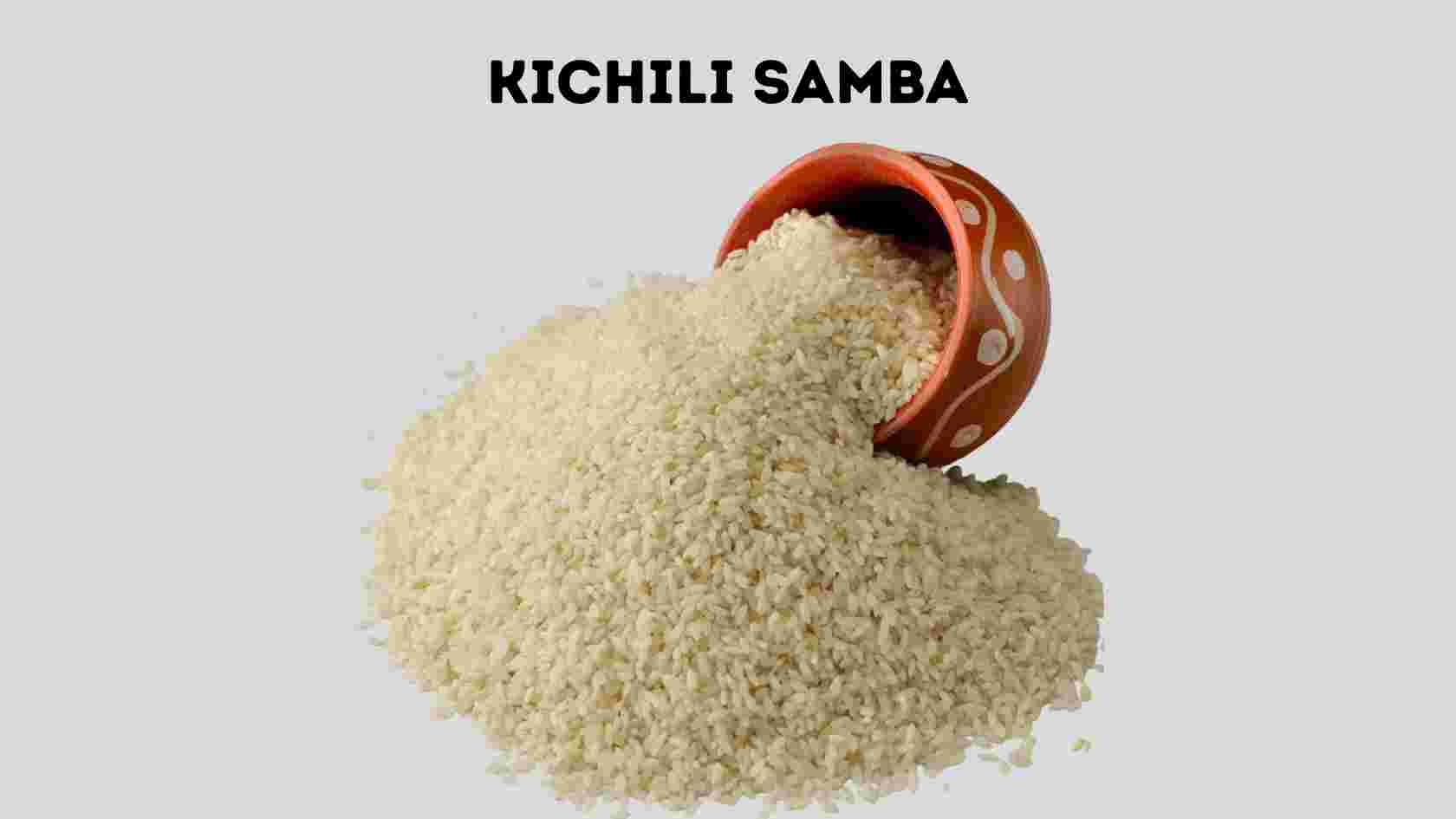
Kichili Samba is one of Tamil Nadu’s lesser-known yet highly valuable traditional rice varieties. Appreciated for its soft texture, light digestion, and adaptability in fermented foods, this rice has played an important role in rural diets for generations.
Unlike robust red or black rice varieties known for strength and endurance, Kichili Samba is valued for its digestive ease, subtle flavour, and suitability for all age groups.
This rice reflects a quieter side of traditional food wisdom, where nourishment was not only about energy and strength but also about comfort, digestion, and balance. In today’s context, where digestive issues and processed foods dominate daily diets, Kichili Samba offers a natural return to gentle, wholesome eating.
Origin of the Name
The name Kichili Samba is believed to be derived from the Tamil word “kichili”, referring to softness or tenderness. This name accurately describes the rice’s cooking quality and mouthfeel. It belongs to the broader Samba group of traditional rice varieties, which are long-duration crops cultivated during the main monsoon season.
In traditional households, Kichili Samba was often chosen for meals meant for children, elders, and people recovering from illness. Its reputation as an easily digestible rice made it a preferred grain in home kitchens rather than ceremonial or royal settings.
Native Regions
Kichili Samba is native to Tamil Nadu and was traditionally cultivated in the delta and semi-delta regions. Districts such as Thanjavur, Tiruvarur, Nagapattinam, Villupuram, and parts of Tiruvannamalai were known for growing this variety.
The crop is typically grown under rain-fed or canal-irrigated conditions. It matures over a long period, usually between 140 and 160 days. The plant grows to a moderate height and adapts well to traditional farming methods that rely on organic manure and seasonal water availability.
Because of its lower commercial yield compared to modern hybrids, Kichili Samba gradually disappeared from large-scale cultivation. However, its revival is now being supported by organic farmers and traditional seed conservation groups.
Grain Appearance
Kichili Samba is a white to off-white rice variety, traditionally consumed in its unpolished or lightly polished form. The grains are medium-sized and smooth, with a natural sheen.
When cooked, the rice becomes soft and fluffy without turning mushy. It absorbs water well and releases a mild, comforting aroma. Its gentle texture makes it ideal for dishes that require fermentation or prolonged soaking.
Unlike firmer traditional rice varieties, Kichili Samba is known for its ability to break down easily during digestion, making it a staple in traditional convalescent diets.
Nutritional Characteristics
Though lighter in colour, Kichili Samba is nutritionally superior to modern refined white rice. It retains its bran layer when minimally processed, preserving essential nutrients.
It contains:
- Moderate dietary fibre, supporting digestion
- Complex carbohydrates, providing steady energy
- Essential minerals such as magnesium and phosphorus
- Small amounts of natural protein
- Low fat content, making it suitable for light diets
Its nutritional balance makes it suitable for daily consumption without overburdening the digestive system.
Digestive Benefits
Kichili Samba has long been associated with digestive comfort. Traditional medical systems considered it suitable for people with sensitive stomachs, acidity, or digestive weakness.
The rice supports gut health by promoting smooth bowel movement and reducing digestive strain. When fermented, it becomes even easier to digest, as fermentation enhances nutrient absorption and introduces beneficial microorganisms.
Because of these qualities, Kichili Samba was commonly used in rice porridge, fermented batters, and light meals.
Role in Traditional Foods
One of the defining features of Kichili Samba is its excellent fermentation quality. This makes it ideal for preparing traditional South Indian fermented foods.
Common preparations include:
- Idli and dosa batter
- Traditional rice porridge (kanji)
- Fermented rice water consumed as a cooling drink
- Soft steamed rice served with buttermilk
Fermentation enhances the bioavailability of minerals and improves gut health, making Kichili Samba particularly valuable in traditional diets.
Read More > Best Herbs for Hair Growth and Thickness
Glycaemic Response
Kichili Samba has a lower glycaemic response compared to polished white rice, especially when consumed in its unpolished form. The gradual release of glucose helps maintain stable energy levels.
This makes it suitable for individuals managing blood sugar levels, as well as for those seeking sustained energy without heaviness. It is often recommended as a transitional rice for people shifting away from refined grains.
Culinary Versatility
While primarily known for simple and fermented dishes, Kichili Samba is versatile enough to be used in everyday cooking. It pairs well with vegetable gravies, lentils, and lightly spiced preparations.
Its mild flavour allows other ingredients to shine, making it suitable for both traditional and modern recipes. It can be used in rice bowls, soft pulaos, and even health-focused meal plans.
Role in Household Use
In traditional Tamil households, Kichili Samba was part of everyday meals rather than festive cooking. Its role was functional and nurturing. Mothers preferred it for feeding children, while elders valued its lightness and digestibility.
It was also commonly prepared during periods of illness or recovery, reinforcing its reputation as a healing grain rather than a celebratory one.
Agricultural Value
Kichili Samba supports sustainable agriculture by fitting well into traditional crop cycles. It requires fewer chemical inputs and adapts to local soil and water conditions.
By cultivating such varieties, farmers help preserve indigenous seeds and maintain agricultural biodiversity. These practices reduce dependency on external inputs and support long-term soil health.
With growing awareness about gut health and traditional diets, Kichili Samba is experiencing renewed interest. Health-conscious consumers, nutritionists, and organic food advocates are rediscovering its value.
It is increasingly available through organic stores, farmer cooperatives, and direct farm sales. Its relevance today lies in its ability to offer nourishment without heaviness, making it suitable for modern lifestyles.
Conclusion
Kichili Samba represents a gentle yet powerful aspect of Tamil Nadu’s food heritage. Its ease of digestion, suitability for fermentation, and balanced nutrition make it a valuable alternative to refined white rice.
Incorporating Kichili Samba into daily meals encourages mindful eating and reconnects modern diets with traditional wisdom. As interest in indigenous grains continues to grow, this humble rice variety stands as a reminder that nourishment does not always need to be bold or heavy to be deeply effective.